Services
We are devoted towards offering an excellent quality Sandblasting & Painting Services.
What is SandBlasting of Steel Structure?
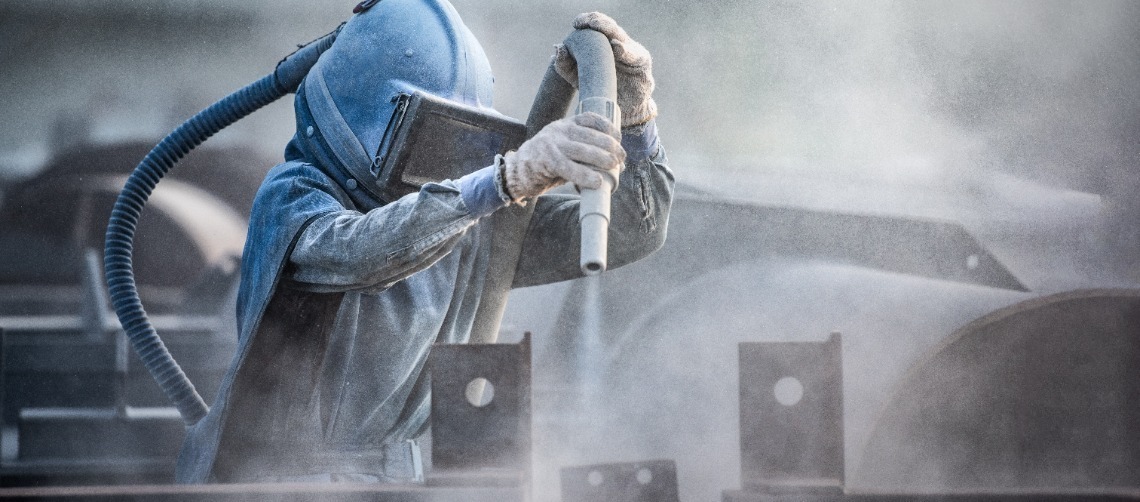
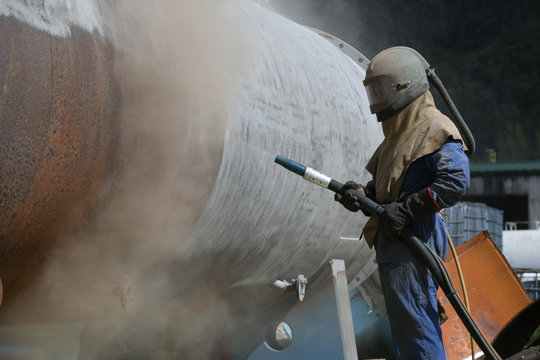
Sandblasting is a proven pre-finishing technique that’s been in use since 1870 A.D. The main use of sandblasting is removing and decontamination of rust, loose mill scale, dirt, oil or grease and other foreign substances of bridges built up sections or any type of steel structure. MBC workers give Special attention to cleaning of corners and re entrant angles. Sandblasting is still the most common and preferred abrasive treatment method for final finishes.
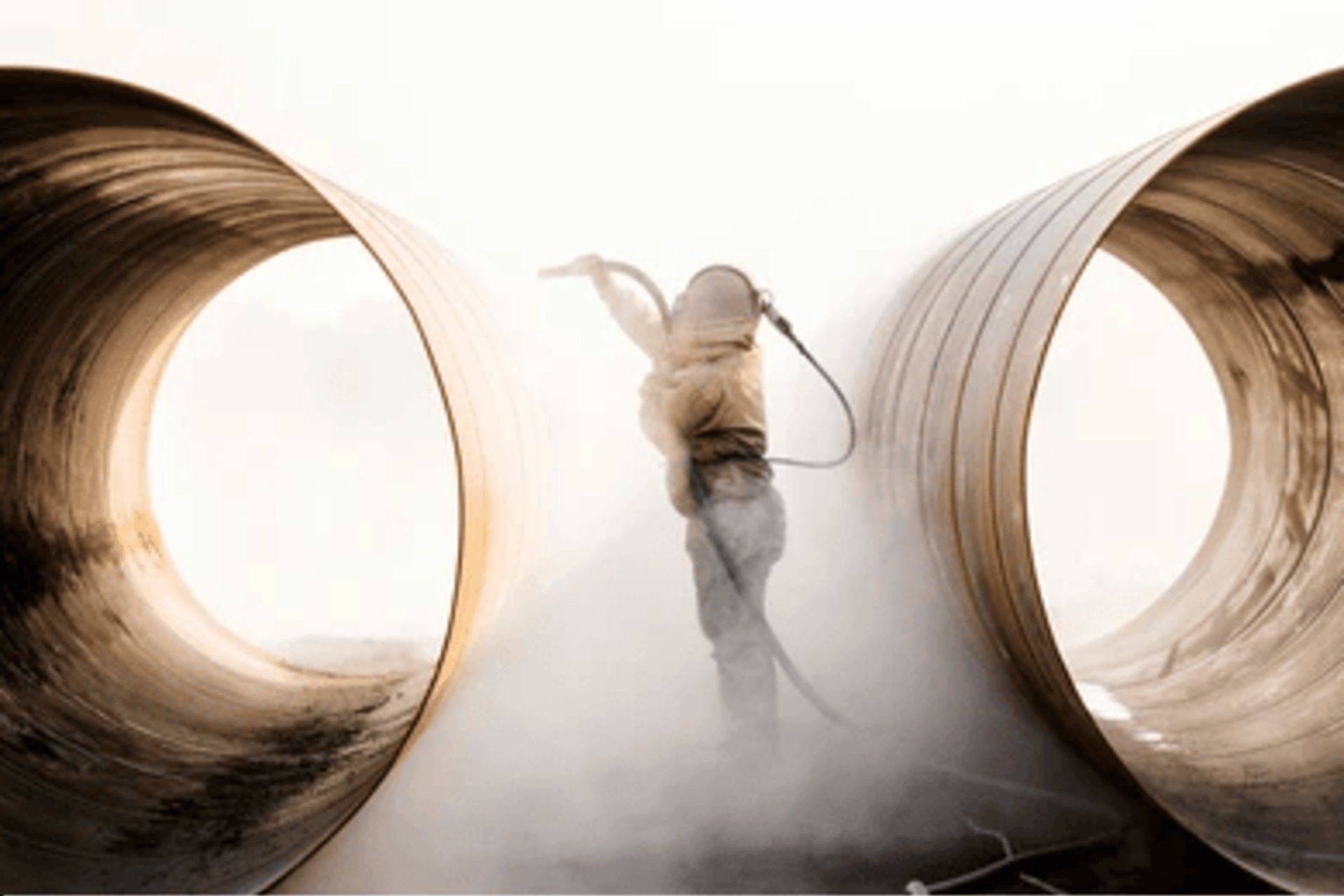
Our sandblasting Procedures:
Mahendra Blasting & Coating Enterprise employs precision sandblasting techniques to prepare surfaces by removing contaminants, rust, and old coatings. This process ensures a clean, smooth foundation for optimal adhesion of protective coatings or paints.
- Surface Preparation
- We obtain release for blasting from the concerned department and verify drawing and item numbers.
- We visually inspect abrasive blasting material to ensure it is free from contaminants.
- We avoid surface preparation in unsuitable environmental conditions, such as:
- Steel and air temperature less than 5°C
- Relative humidity more than 85%
- Airborne dust or sand
- Rain, fog, mist, or free moisture on the surface
- Steel temperature less than 3°C above dew point
- Likelihood of weather changes within 2 hours
- We conduct visual inspections as per SSPC VIS-1 before blasting to check for mechanical damage, weld spatter, sharp edges, burrs, and contamination.
- We remove weld spatter, sharp edges, and burrs by grinding, wire brushing, filling, or chiseling.
- We remove contaminants like dust, dirt, and moisture with clean, dry compressed air. For more extensive dirt, we use water washing and sponge scribbling. We remove grease and oil by solvent cleaning or high-pressure water jetting, with solvent cleaning according to SSPC SP-1.
- We ensure no grit or foreign matter is left embedded in the blasted surface.
- Blasting Operations
- Air compressors deliver clean, dry air, with the supplied air temperature not exceeding 110°C. We periodically drain accumulated water droplets from separators or filters and check for oil and moisture in the air.
- We carry out surface preparation (dry abrasive blasting) according to standards like SSPC SP10 and SSPC VIS-1, using approved material with a nozzle pressure of 95 to 100 psi.
- Blasting is performed at a designated blasting yard under favorable environmental conditions.
- We use a minimum of 2.5 mm thick steel plates for blasting, with a minimum of 1.5 mm thickness for other surfaces.
- We maintain proper surface preparation by controlling nozzle speed, distance, angle, and overlap.
- We achieve a surface profile of 25-50 microns for surface blast cleaning to Sa 2-1/2.
- We check surface cleanliness post-blast as per SSPC VIS-1.
- We clean blast surfaces before primer application and check for residual particulate matter.
- We prime areas cleaned by power or hand tools within 4 hours and never leave them unprimed overnight.
- We ensure the surface is free from oil, grease, dirt, mill scale, rust, and foreign matter before applying paint.
- Materials we use:
- Abrasive material meets SSPC AB1 standards
- Painting material batch test certificates are submitted before work begins
- All paints and abrasive materials are approved by the Contractor and Company